Permitting and NEPA

  • Permitting and NEPA

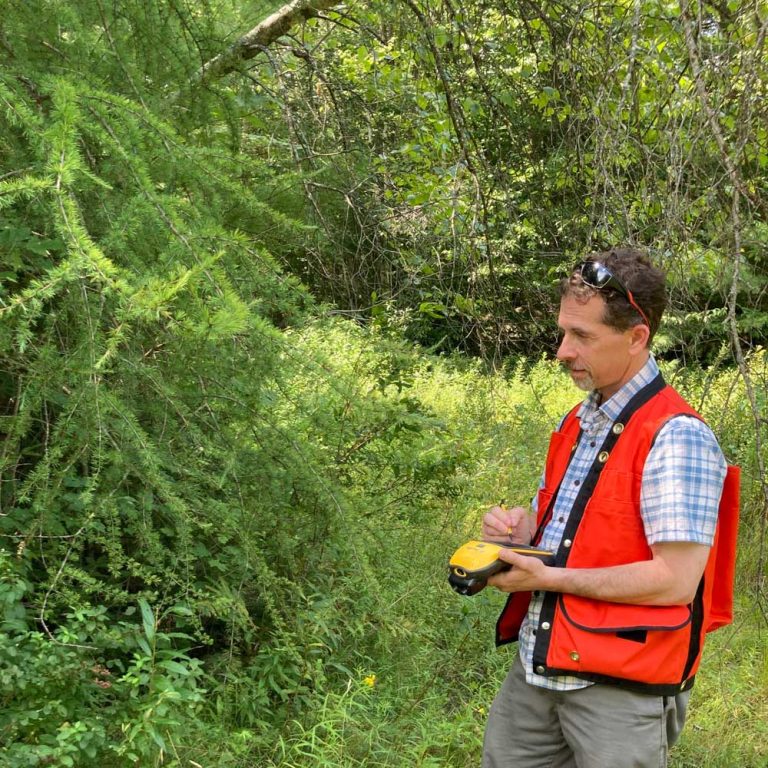
    DuBois & King’s environmental and permitting professionals guide projects through local, state, and federal regulatory documentation, clearances, and permitting. With expertise in documentation, alternative analysis, and resource identification, delineation, and mitigation, our staff provide NEPA, environmental, and permitting services for a variety of assignments, such as large complex transportation projects. We have advanced NEPA documents…
  • Alburgh Water System Improvements

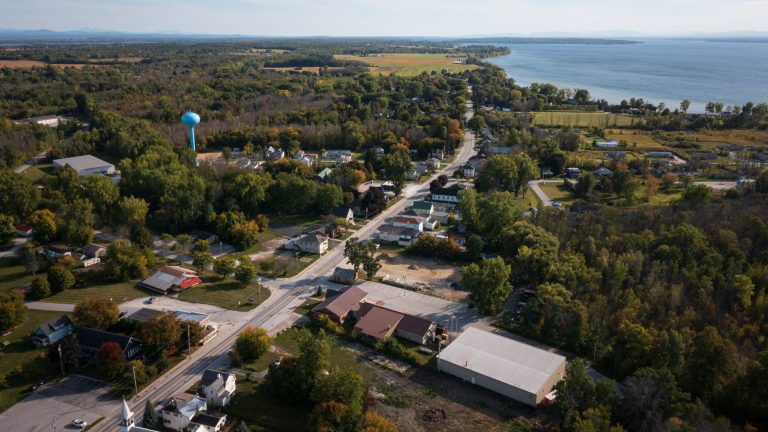
    The Alburgh Village Water System (WSID 0005316) uses a surface water intake from Lake Champlain, a water treatment facility, and water mains to supply approximately 400 service connections and a population of 576. The water system included an elevated painted steel storage tank constructed in 1988 that served Alburgh’s Designated Village Center, South Alburgh Fire District No….

  • Fair Haven Park & Ride

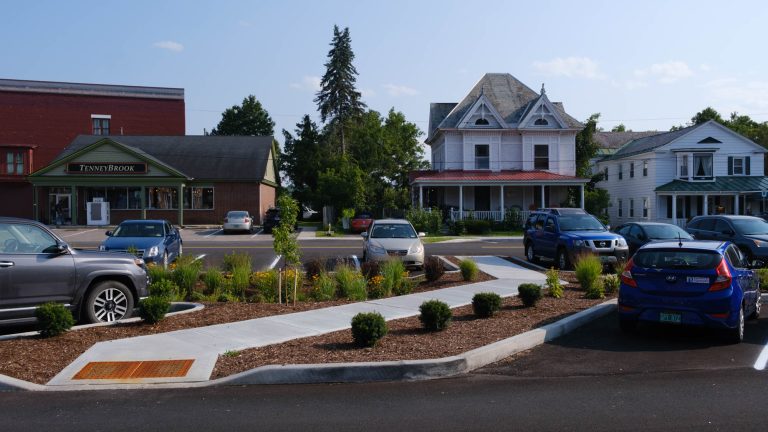
    Located in the downtown core, adjacent to the Village Green, the Fair Haven Park and Ride lot consisted of lightly marked spaces with no separation from the roadway on either side. The large contiguous area of paved surface, lack of pedestrian facilities, and minimal striping provided a low level of service. Frequently used by residents…

  • South Hall Student Housing

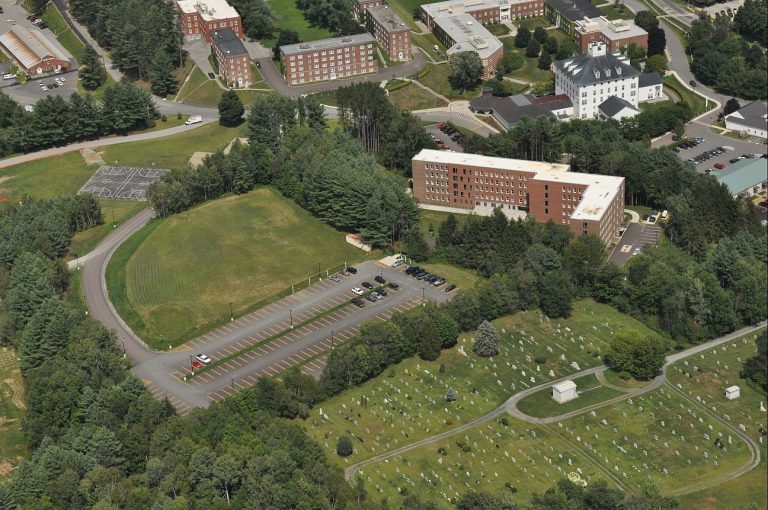
    D&K provided engineering services for a new $17.5M LEED-Gold-certified five-story residence hall that houses up to 283 students, serving as a benchmark for new construction and renovation projects on campus. D&K provided civil/site design, permitting, topographic and boundary surveys, utilities, and cost estimates. Site improvements included grading, stormwater management system, access road/parking, pavement marking/signage, ADA…

  • Middlebury Resource Recovery Center (MRRC)

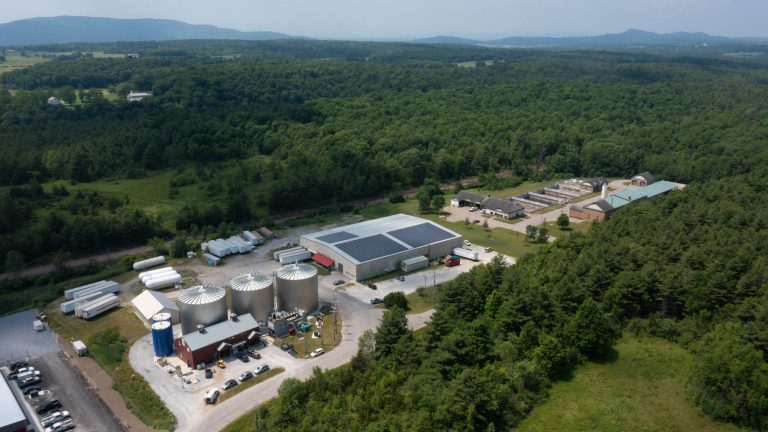
    PurposeEnergy, a nationwide renewable energy producer, sought to develop an anaerobic digester and food process treatment facility near Middlebury’s wastewater treatment facility (WWTF) in the heart of the town’s industrial district. The project accomplishes two significant goals: reduce loading from food-process waste to the municipal WWTF and maximize the reuse of waste products through a…